
If you buy cryptocurrency, you’ll have to manage it. Choosing where to keep your coins is just as important as deciding which cryptocurrencies to buy. A cold wallet can provide an additional layer of protection by keeping the private keys that control your funds offline.
Cold wallet, hot wallet, exchanges and trading platforms
A cryptocurrency exchange, like Coinbase or Binance, is a service where users buy, sell and exchange digital currencies. When you leave your assets on an exchange, the company generally holds the private keys on your behalf. This arrangement is convenient, but it means you depend on the platform’s security, financial stability and withdrawal policies.
A trading platform is the service or interface through which you place orders and manage transactions. Many trading platforms are also exchanges or brokers, and some hold customers’ assets themselves. Consequently, keeping cryptocurrency in an account on a trading platform can involve the same custodial risks as leaving it on an exchange.
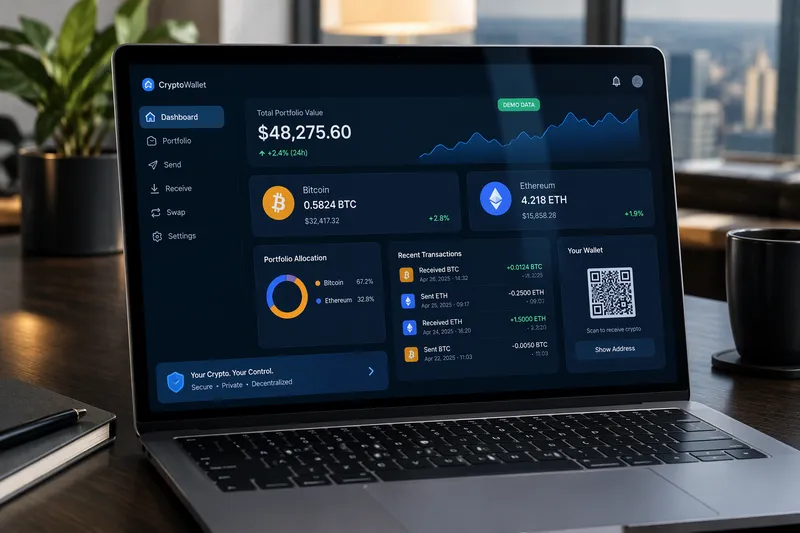
A hot wallet, by contrast, is a cryptocurrency wallet connected to the internet. It may be installed on a smartphone or computer, or accessed through a browser. Hot wallets are practical for everyday payments and frequent trading, but their online connection can expose them to phishing, malware and cyberattacks.
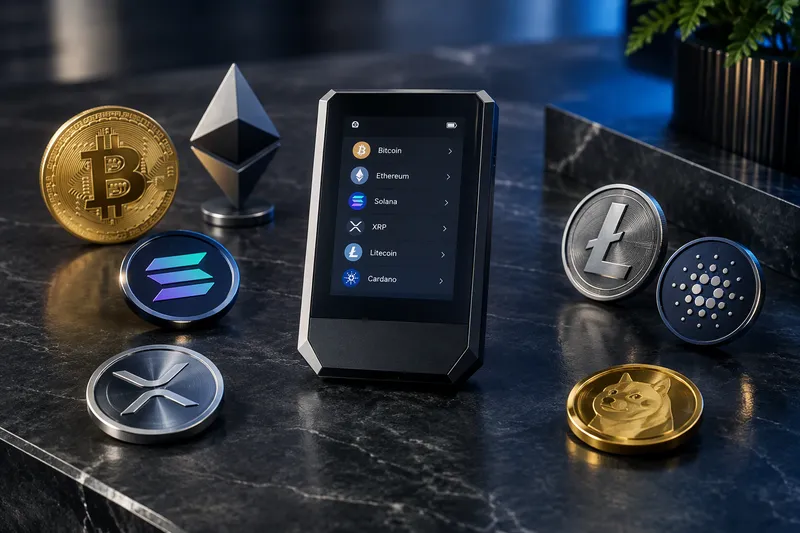
A cold wallet for cryptocurrency keeps private keys offline. Hardware wallets and the cold wallet card format are two popular approaches. Since the keys are not continuously connected to the internet, they are less exposed to remote attacks. This makes cold wallet storage particularly useful for people who intend to hold cryptocurrency for months or years. To put it plainly, the cold wallet allows you to store and move your funds when you want without asking a third party.
Choosing the right cold wallet
Different products offer different features. For example, an Ellipal Titan hardware wallet device provides hardware-based protection and a screen for checking transaction details. Other options include compact cards, like Tangem, that communicate with a smartphone.
A cold wallet app can make it easier to manage your assets, check balances and prepare transactions. However, an app alone is not necessarily a cold wallet: the essential security feature is keeping private keys offline.
Before buying, consider supported cryptocurrencies, backup and recovery options, ease of use, connectivity and the manufacturer’s reputation. Protecting your recovery phrase is essential, because anyone who obtains it may be able to access your funds.
Our cold storage reviews compare available devices to show their advantages and limitations. Cold storage does not eliminate every risk, but it gives users greater control over their private keys and reduces dependence on third-party platforms.
Major cryptocurrency exchange hacks through the years
The history of cryptocurrency includes several major exchange hacks and security breaches. These incidents demonstrate why relying entirely on third-party platforms can involve risks.
These figures are historical estimates based on the value of the stolen assets at the time of each incident. Mt. Gox, one of the earliest and most famous cases, suffered substantial losses before collapsing. Coincheck lost cryptocurrency held in an internet-connected hot wallet, while Binance, Bitfinex, KuCoin and BitMart also experienced significant security breaches.
| Exchange or platform | Year | Approximate value stolen |
|---|---|---|
| Mt. Gox | 2014 | $450–$480 million |
| Bitstamp | 2015 | $5 million |
| Bitfinex | 2016 | $71 million |
| Coincheck | 2018 | $530 million |
| Binance | 2019 | $40 million |
| KuCoin | 2020 | $275 million |
| BitMart | 2021 | $196 million |
| Crypto.com | 2022 | $34 million |
| Bybit | 2025 | $1.5 billion |
| Binance | 2026 | $6.3 billion |
The Bybit incident in 2025 was particularly notable because attackers compromised the transaction-signing process associated with an Ethereum cold wallet. It demonstrated that even cold-storage systems are not immune to sophisticated attacks.
It is also important to distinguish hacks from other failures. For example, the collapse of FTX in 2022 involved serious misuse of customer funds and should not simply be classified as an ordinary exchange hack.
Even the largest cryptocurrency exchanges are vulnerable
The October 29, 2026 Binance security breach, involving approximately $6.34 billion in stolen cryptocurrency, is a sad reminder that even the world’s largest exchanges, with substantial security budgets and specialised cybersecurity teams, are not immune to sophisticated attacks. According to Binance’s investigation, hackers compromised employee devices and credentials before gaining unauthorised access to internal systems responsible for authorising wallet transactions.
This allowed them to bypass normal security procedures and move enormous amounts of cryptocurrency. The incident demonstrates that security is only as strong as its weakest point: sophisticated technology cannot completely eliminate risks arising from human error, compromised credentials or vulnerabilities in internal infrastructure. For investors, it reinforces the importance of understanding who controls their private keys and considering personal cold wallet storage rather than keeping all their cryptocurrency on centralised exchanges. A good source of information to watch the Binance case can be found on the website of the American FBI.
A practical approach to crypto security
For many investors and traders, a smart approach is to keep only a small amount of cryptocurrency in a hot wallet for everyday transactions and store longer-term holdings in a cold wallet crypto solution. This combination offers convenience while making security a priority.
A cold wallet cannot guarantee complete protection. Users must still safeguard their recovery phrases, verify transaction details and purchase devices from trustworthy sources. Nevertheless, keeping private keys offline can reduce exposure to online attacks and provide greater independence from exchanges and trading platforms.